
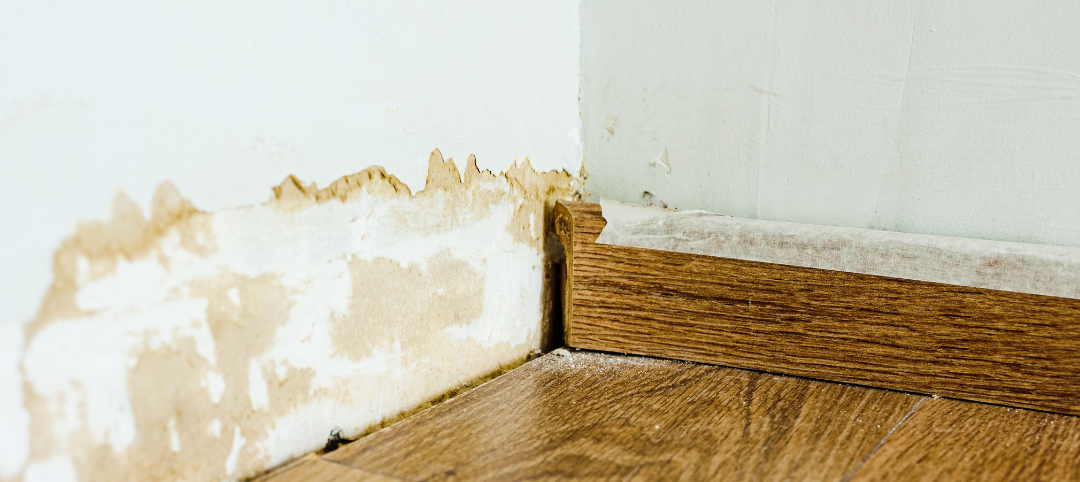
You wake up to find water under the kitchen sink. Or maybe a washing machine has leaked across the laundry room overnight. Sometimes it is even more sudden: a pipe breaks, a storm damages part of the roof, and water starts entering the house before you have time to figure out what happened.
The first reaction is usually the same – grab some towels and start cleaning.
That instinct makes sense, but water damage cleanup is rarely as simple as drying whatever you can see. What happens during the first several hours can affect how much of the property ultimately needs to be restored.
For homeowners in Victorville, CA, knowing what to do early can make an unexpected water emergency easier to manage.
Don’t Let the Clock Work Against You
Water does not stay neatly where it lands.
It can move beneath flooring, soak into drywall, collect inside cabinets, and travel into areas that are difficult to inspect. The longer moisture remains in those materials, the more complicated the cleanup may become.
That is one reason professional water damage restoration in Victorville, CA often starts with an assessment rather than immediately tearing out damaged materials.
The restoration team needs to understand what happened before determining how extensive the problem really is.
A Small Leak Can Still Be a Big Problem
Imagine a supply line beneath a bathroom sink breaks while nobody is home.
By the time the water is discovered, the floor may be visibly wet. But there could also be moisture underneath the flooring or inside the surrounding cabinetry.
The same thing can happen with a refrigerator line, water heater, dishwasher, or washing machine.
The size of the visible puddle does not necessarily indicate the size of the affected area.
Professional moisture detection can help locate water that cannot be identified simply by looking at the surface.
What About Storm Damage?
Water problems do not always start inside the house.
Victorville properties can also experience water intrusion following severe weather. Damaged roofing, compromised flashing, blocked drainage, or openings around windows and doors can allow rainwater to enter.
In this situation, cleaning the water inside is only part of the solution. The entry point needs to be identified and addressed as well.
Otherwise, the next storm could create another round of damage.
The Floor May Be Hiding More Than You Think
Flooring is one of the first places homeowners notice after a leak, but it can also hide moisture.
Water may move underneath laminate, vinyl, carpet, or other flooring materials. Wood products can absorb water and change shape, while carpet padding can hold moisture below the surface even when the carpet itself appears relatively dry.
This is where professional water extraction and structural drying become useful.
Instead of relying on how a floor feels to the touch, restoration technicians can measure moisture levels and determine where additional drying is needed.
Should You Start Throwing Things Away?
Not necessarily.
A water-damaged home can make homeowners feel like everything needs to be discarded immediately. But some furniture, belongings, and building materials may be recoverable depending on the type and extent of the damage.
Professional restoration teams can evaluate affected contents and materials before decisions are made about removal.
In other words, cleanup does not automatically mean replacing everything.
There Is Also the Question of Contaminated Water
The source of the water matters.
A broken clean-water supply line is different from a sewage backup or flood involving potentially contaminated water. The latter situations require additional precautions because the water may contain bacteria, chemicals, or other contaminants.
If the water source is questionable, avoid unnecessary contact and keep children and pets away from the affected area.
Professional water cleanup services can determine what type of cleanup is appropriate based on the circumstances.
What Homeowners Often Miss
The most overlooked part of water damage is often what cannot be seen.
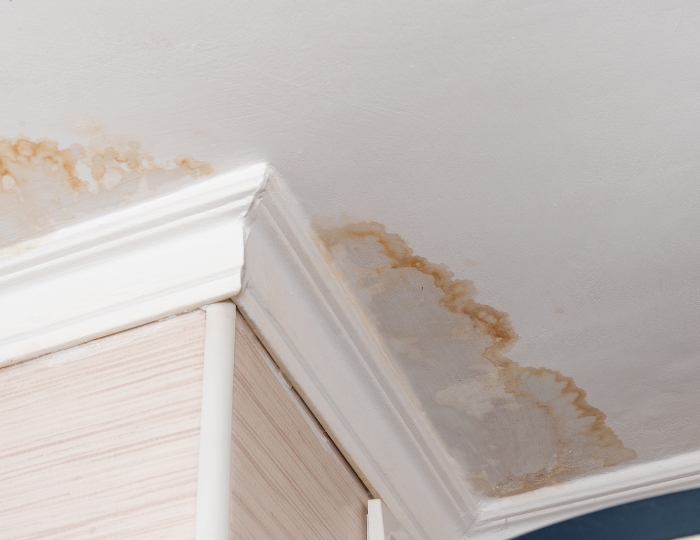
A wall may look normal from the outside while moisture remains inside. A room may no longer have standing water but still have elevated moisture levels. A repaired pipe may stop the leak without addressing the materials that were already affected.
That is why drying and monitoring are such important parts of water damage cleanup.
Commercial dehumidifiers, air movers, moisture meters, and other restoration equipment can help technicians identify and address lingering moisture more effectively than ordinary household methods.
When Cleanup Becomes Restoration
Once water has been removed and the affected areas have been dried, there may still be work to do.
Damaged drywall might need replacement. Flooring may require repair. Cabinets or trim may need attention. Surfaces may need cleaning and treatment.
This is the point where a water emergency transitions into restoration.
For homeowners, the goal is not simply to make the room look normal again. It is to address the damage that occurred and restore the affected parts of the property as thoroughly as possible.
A Faster Response Can Mean a Simpler Recovery
There is no way to predict exactly how much damage a particular leak or flood will cause. A small plumbing problem may be contained quickly, while a hidden leak can affect several areas before anyone notices it.
What homeowners can control is how quickly they respond.
If it is safe, stop the source of the water, keep away from electrical hazards, document the visible damage, and contact a professional restoration company when the situation is beyond a simple household spill.
For property owners in Victorville, Purofirst Fire & Water Restoration provides professional water damage cleanup and restoration services. From unexpected plumbing leaks to storm-related water intrusion and flooding, a professional assessment can help determine what needs to happen next.
The sooner the property is evaluated, the sooner you can move from dealing with the emergency to getting your home or business back to normal.
Recent Comments