
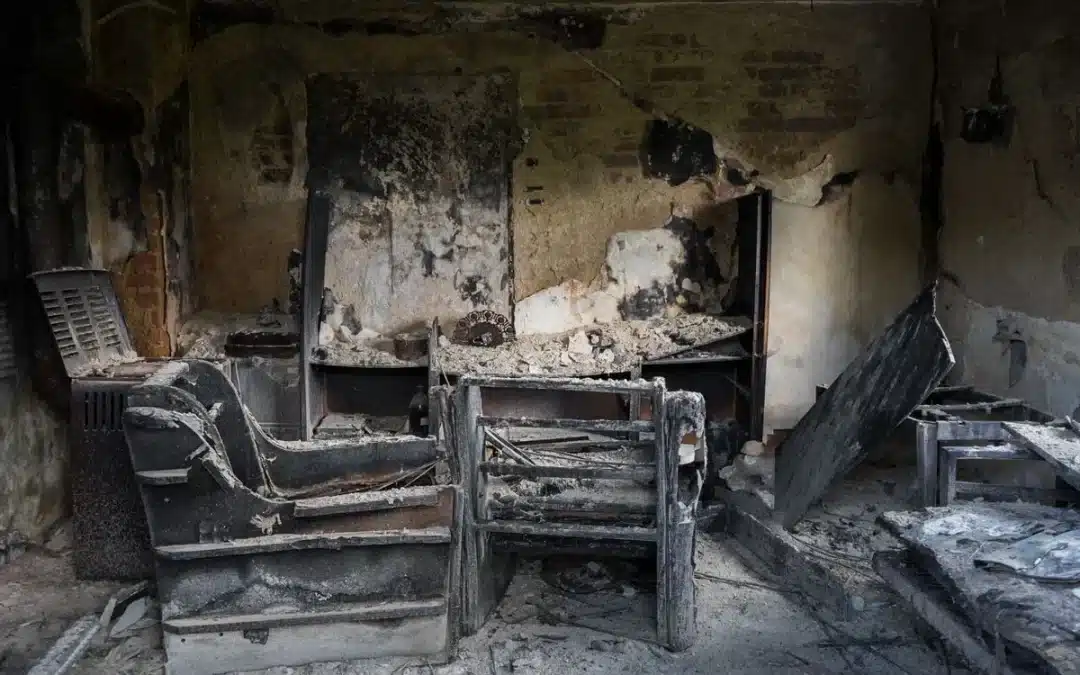
A house fire can turn your life upside down in a matter of minutes. Even after the flames are extinguished, the damage may continue to affect your home, belongings, and indoor environment. Smoke, soot, water from firefighting efforts, and weakened building materials can all create problems that are not immediately visible.
Knowing what to do after a house fire can help protect your property, prevent additional damage, and make the restoration process more manageable. Before beginning cleanup or returning to affected areas, it is important to understand the potential hazards and take the right steps.
What Should You Do Immediately After a House Fire?
Once firefighters have extinguished the flames, your first priority should be safety. Do not assume that your home is safe to enter simply because the fire is out. Structural damage, electrical hazards, and lingering smoke contamination may still be present.
Follow these important steps after a fire:
- Wait for official clearance: Follow instructions from emergency personnel and do not enter restricted areas until authorities confirm it is safe.
- Avoid damaged electrical systems: Fire and water can damage wiring, outlets, appliances, and electrical panels. Have affected systems inspected before using them.
- Contact your insurance company: Report the incident and ask about documentation requirements and the claims process.
- Document the damage: Take photographs and videos of affected rooms, furniture, appliances, and personal belongings when it is safe to do so.
- Arrange professional restoration: A qualified restoration team can assess fire, smoke, soot, and water damage and recommend the appropriate cleanup process.
Why Is Smoke Damage a Serious Problem After a Fire?
Visible fire damage is often only part of the problem. Smoke can travel through hallways, ventilation systems, wall openings, and other connected spaces, affecting rooms that were never directly exposed to flames.
As smoke moves through a property, it leaves behind fine particles and chemical residues. These contaminants can settle on walls, ceilings, flooring, furniture, clothing, and other belongings. They may also penetrate porous materials, making ordinary household cleaning methods ineffective.
Smoke residue can continue to produce unpleasant odors long after the fire has been extinguished. Air fresheners and open windows may temporarily reduce the smell, but they do not remove the underlying contamination.
Professional smoke damage restoration involves identifying affected materials, removing residue using appropriate cleaning methods, and addressing persistent odors at their source.
How Does Soot Affect Your Home and Belongings?
Soot is a byproduct of incomplete combustion. Its composition depends on the materials that burned, which means different fires can leave behind different types of residue.
Some soot is dry and powdery, while other forms are oily or sticky. Using the wrong cleaning products or wiping contaminated surfaces without proper techniques can spread residue and make stains more difficult to remove.
Soot may affect:
- Walls and ceilings: Residue can discolor painted surfaces and settle in corners, cracks, and textured finishes.
- Furniture and upholstery: Smoke particles can penetrate fabrics, cushions, and other porous materials.
- Carpets and flooring: Soot and smoke odors can become trapped in carpet fibers, padding, and flooring materials.
- Clothing and personal belongings: Fabrics, books, photographs, and other possessions may require specialized cleaning.
- HVAC systems: Smoke particles can enter ductwork and circulate throughout the property if affected systems are operated without inspection.
Because soot can be difficult to remove safely, professional assessment is recommended before attempting extensive cleanup.
Can Water Damage Occur During Firefighting?
Fire suppression efforts often involve large amounts of water. Although this is necessary to extinguish flames, it can create another layer of property damage.
Water can soak into drywall, insulation, carpeting, subflooring, and structural materials. If moisture is not addressed promptly, it can contribute to material deterioration and create conditions that encourage mold growth.
Fire damage restoration may therefore require more than smoke and soot cleanup. Depending on the condition of the property, the process can include water extraction, structural drying, removal of unsalvageable materials, and repairs.
Restoration professionals use moisture detection equipment and commercial drying systems to locate hidden moisture and monitor affected areas throughout the drying process.
Should You Clean Fire and Smoke Damage Yourself?
Minor surface cleanup may seem manageable, but attempting to clean extensive fire damage without the right equipment and protective measures can make the situation worse.
Household cleaners may spread soot, damage delicate finishes, or leave smoke residue behind. Vacuuming with ordinary household equipment can also redistribute fine particles rather than remove them properly.
It is especially important to avoid handling heavily contaminated materials, damaged electrical equipment, or structural debris without professional guidance.
A restoration specialist can determine which materials can be cleaned and restored and which should be removed. This helps prevent unnecessary replacement while ensuring that contaminated areas receive appropriate attention.
What Does the Fire Damage Restoration Process Include?
Every fire affects a property differently, so the restoration plan should be based on the extent and type of damage. A professional restoration process generally includes several stages:
- Initial Inspection: The restoration team evaluates visible fire damage, smoke contamination, soot deposits, and water intrusion.
- Damage Assessment: Affected materials and belongings are identified, and the appropriate restoration methods are determined.
- Debris Removal: Unsalvageable materials and fire-damaged contents are removed when necessary.
- Smoke and Soot Cleaning: Specialized cleaning techniques are used to address residue on affected surfaces and belongings.
- Odor Treatment: Professional deodorization methods help address persistent smoke odors rather than simply masking them.
- Water Removal and Drying: Moisture from firefighting efforts is extracted, and affected building materials are dried as needed.
- Repairs and Reconstruction: Damaged areas are repaired or rebuilt so the property can return to a functional condition.
How Can You Protect Your Belongings After a Fire?
Not everything exposed to smoke, soot, or water needs to be discarded. Some furniture, clothing, documents, and personal belongings may be recoverable with appropriate cleaning and restoration methods.
However, it is important to avoid moving heavily contaminated belongings around the property or attempting to clean valuable items before they have been assessed.
Keep an inventory of damaged possessions and photograph items before they are cleaned or removed. This information can also help with insurance documentation.
Restoration professionals can evaluate which belongings may be salvaged and recommend suitable cleaning methods based on the materials and extent of contamination.
Getting Your Home Back After Fire and Smoke Damage
The end of a fire does not mean the recovery process is over. Smoke residue, soot contamination, water damage, and structural problems can remain long after the flames have been extinguished.
Taking the right steps early can help prevent additional damage and make the restoration process more efficient. A professional assessment helps identify hidden problems, determine which belongings can be saved, and establish a practical plan for cleaning, drying, and repairs.
PuroFirst Fire & Water Restoration provides professional restoration services for properties affected by fire, smoke, soot, and water damage. With a thorough approach to cleanup and restoration, the team helps property owners work toward making their homes safe, clean, and functional again.