
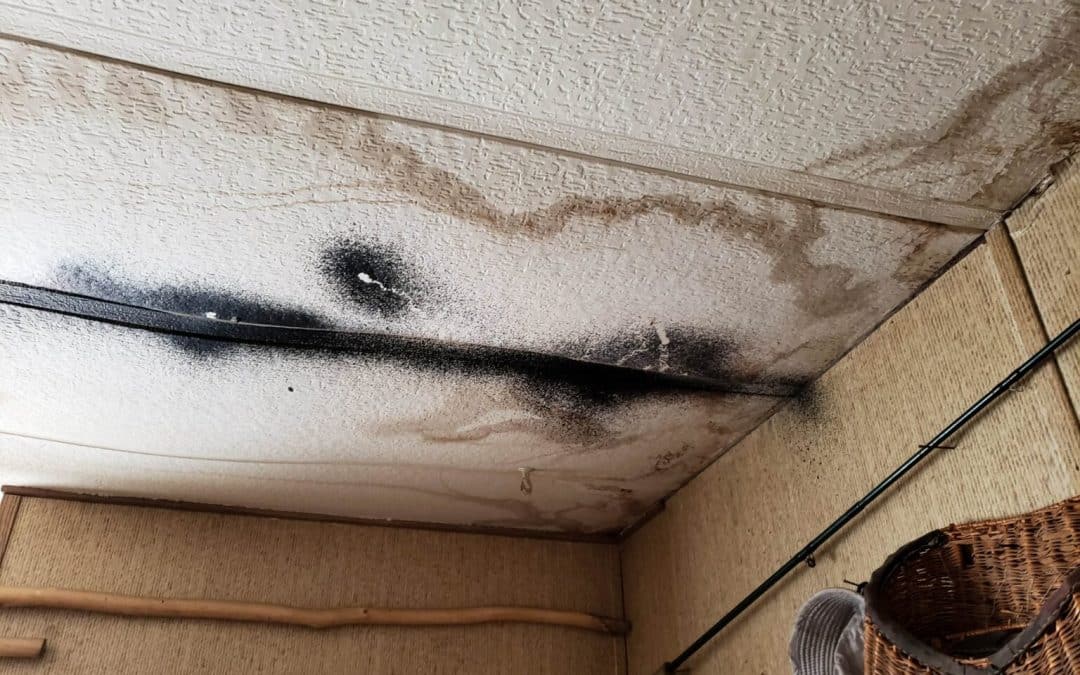
Water damage can happen suddenly in Victorville, CA, whether from a burst pipe, heavy rain, appliance failure, or unexpected plumbing issues. No matter the cause, the first few hours after water damage occurs are critical. The actions you take immediately can determine how much of your property can be saved and how costly the repairs will become.
Understanding the right steps helps you stay in control of a stressful situation and prevents further damage from spreading throughout your home or business.
Step 1: Ensure Safety Before Anything Else
Before addressing the water itself, safety should always come first. Water damage can create hidden hazards such as electrical risks, slippery surfaces, and structural instability.
If water is near electrical outlets or appliances, avoid the area completely and shut off power if it is safe to do so. In cases of major flooding or ceiling collapse risk, it is best to evacuate the property until professionals can assess the situation.
Even clean water can become dangerous if it sits too long and becomes contaminated, so caution is always necessary.
Step 2: Stop the Source of Water if Possible
If you can safely identify where the water is coming from, stopping the source is the next priority. This might involve turning off the main water valve, fixing a burst pipe, or shutting down a leaking appliance.
Many Victorville homeowners experience water damage from plumbing failures or aging infrastructure, especially in older homes where pipes may not have been updated. Stopping the water early can significantly reduce the total damage area.
Step 3: Document the Damage
Before cleanup begins, it’s important to document everything. Take clear photos and videos of affected areas, including floors, walls, furniture, and personal belongings.
This documentation is especially important for insurance claims. The more detailed your records are, the easier it will be to verify the extent of the loss and speed up the claims process.
Do not throw away damaged items immediately unless they pose a health or safety risk.
Step 4: Begin Basic Water Removal (If Safe)
If the water damage is minor and safe to handle, you can begin removing excess water using towels, mops, or a wet/dry vacuum. Moving wet furniture and rugs to a dry area can also help limit further absorption.
However, it’s important to understand that surface drying is not enough. Water often penetrates deep into flooring, drywall, and insulation where it cannot be seen.
This is where hidden damage begins to develop.
Step 5: Call Professional Water Damage Experts Immediately
One of the most important steps is contacting a professional restoration company as soon as possible. The longer water sits, the more damage it causes.
A certified team like Purofirst Fire & Water Restoration can respond quickly to assess the situation, extract water, and begin the drying process using industrial-grade equipment.
Professional crews use tools such as moisture meters, air movers, and dehumidifiers to ensure that all hidden moisture is removed—not just what is visible on the surface.

Step 6: Prevent Mold Growth
In Victorville’s climate, mold can begin forming within 24 to 48 hours after water exposure. This is one of the biggest risks of untreated water damage.
Even small damp areas behind walls or under flooring can become major mold problems if not addressed quickly. Professional drying and dehumidification are essential to prevent this from happening.
If mold begins to develop, specialized remediation may be required to safely remove it.
Step 7: Protect Your Belongings
If possible, move furniture, electronics, and personal items away from wet areas. Wood furniture should be elevated or placed in dry rooms to reduce absorption.
Some items may be salvageable with proper cleaning and drying, but quick action is key. Porous materials like carpets, drywall, and insulation often need replacement if saturation is severe.
Step 8: Understand the Restoration Process
Once professionals arrive, the restoration process typically includes:
- Full property inspection and moisture detection
- Water extraction and removal
- Drying and dehumidification
- Cleaning and sanitizing affected areas
- Repairs and structural restoration if needed
Each step is designed to ensure the property is fully restored—not just dried on the surface.
Final Thoughts
Water damage in Victorville properties can escalate quickly, but the right response makes a major difference. Acting fast, staying safe, and calling professionals early helps minimize repair costs and prevents long-term issues like mold growth and structural damage.
With quick emergency response from a trusted team like Purofirst Fire & Water Restoration, homeowners and businesses can recover faster and restore their property with confidence.
Recent Comments