
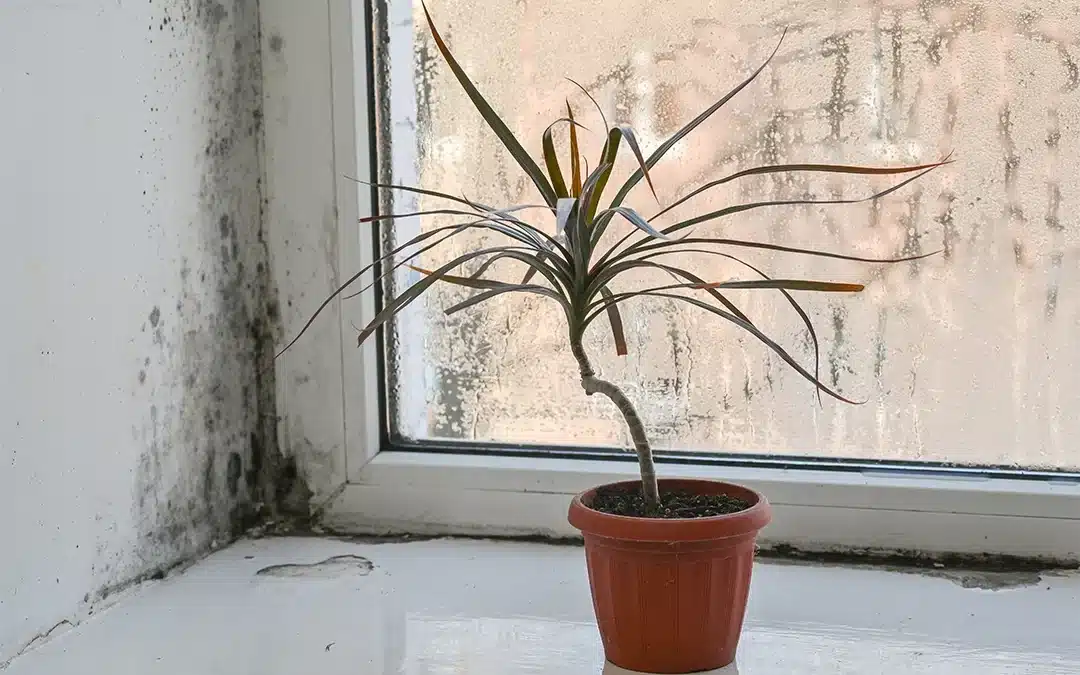
Why Do High Desert Properties Experience Mold Risks During Peak Summer Heat?
High Desert climate conditions create a false sense of security regarding indoor moisture accumulation. During August and September, ambient outdoor temperatures regularly soar past triple digits while relative air humidity drops to annual low points between 28 percent and 33 percent. Because mold spores demand sustained indoor moisture levels above 60 percent relative humidity to germinate, natural outdoor atmospheric conditions in Victorville offer virtually zero support for fungal colonies.
However, extreme outdoor heat forces cooling systems to work continuously, creating sharp thermal and moisture contrasts inside buildings. When intense heat drives constant indoor cooling while sudden North American Monsoon weather patterns push localized humidity surges across Southern California, properties experience rapid condensation risks. Unchecked interior moisture trapped within building materials creates an isolated breeding ground for spores despite the dry desert environment surrounding the property structure.
How Do Late Summer Monsoons Trigger Rapid Fungal Expansion in Local Structures?
August and September mark the peak of the desert monsoon season, bringing sudden heavy downpours, flash floods, and severe wind dynamics across the High Desert region. Structural materials expanded by intense summer heat suddenly receive high volumes of wind-driven rain, driving moisture deep into subtle roof fractures, damaged exterior flashing, and foundation perimeter seals. Once water penetrates the exterior building envelope, it quickly collects inside dark attic spaces, wall cavities, and subflooring.
High late-summer temperatures combined with trapped water accelerate fungal germination, allowing microscopic spores to proliferate within 24 to 48 hours of initial contact. Property owners who fail to extract this moisture immediately face widespread contamination that rapidly spreads behind drywall and beneath floorboards.
When rain penetrates the exterior envelope, water pools inside attic spaces, wall cavities, and subfloors. Because desert temperatures remain high, trapped moisture combined with internal heat accelerates fungal germination rapidly. Microscopic spores proliferate within 24 to 48 hours of initial water contact. Property owners who fail to dry saturated materials instantly face widespread contamination behind drywall and under floorboards. Halting this rapid spread requires professional extraction combined with professional drying with the best equipment to pull trapped water from deep within building materials before fungal colonies establish a permanent foothold across the interior structure.
Why Do Evaporative Cooling Systems Create Hidden Mold Hazards in Victorville Homes?
Evaporative coolers, commonly called swamp coolers, serve as a primary cooling mechanism for numerous residences across Victorville during peak summer heat. These units operate by drawing warm outdoor air through water-saturated pads, lowering temperatures while injecting moisture directly into the home interior. When evaporative coolers run continuously through late summer, improper ventilation traps excess humidity inside living spaces, raising interior relative humidity past the critical 60 percent threshold. This persistent interior moisture accumulation provides the precise environmental conditions that fungal spores require to germinate on porous surfaces like drywall and carpets.
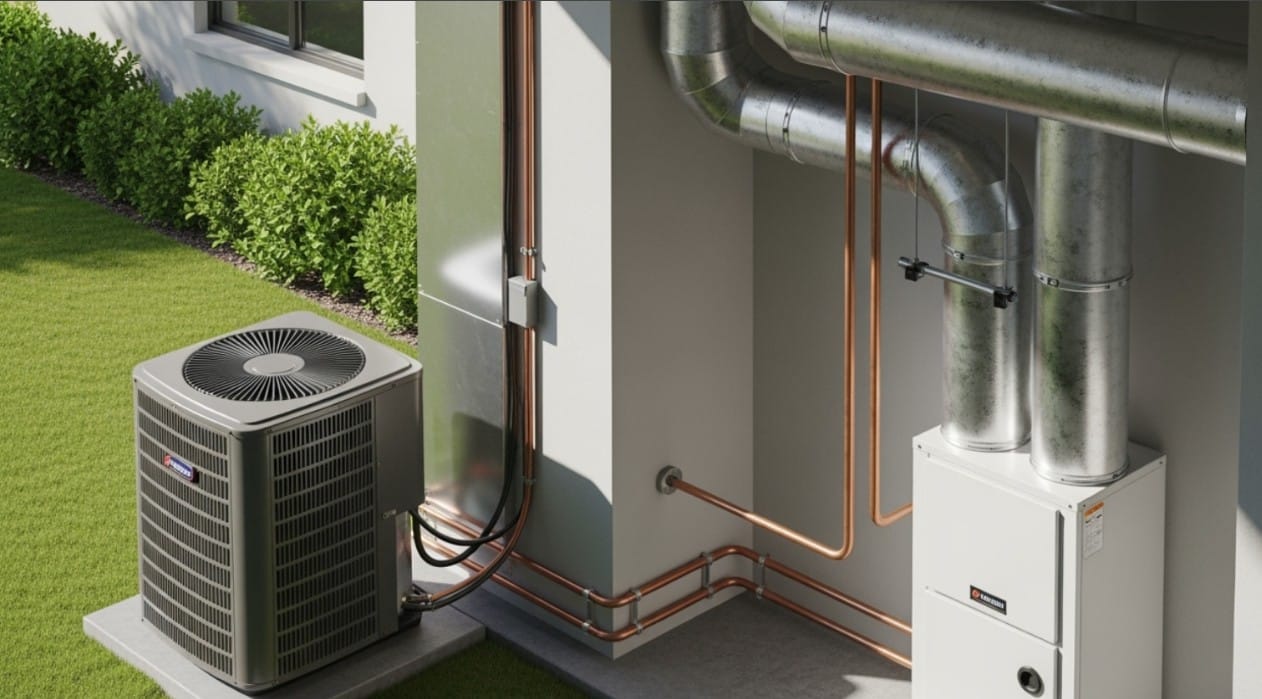
Beyond indoor humidity buildup, swamp coolers introduce direct structural risks when routine maintenance lapses. Mineral buildup, clogged drain lines, and worn reservoir pans lead to direct roof leaks or saturated supply vents. Damp air flowing through contaminated ductwork spreads active spores into ceiling drywall and carpet fibers. Eliminating these risks involves executing strict inspection & testing procedures & tools alongside HEPA negative air filtration to capture microscopic airborne particles and clear contaminated air pathways throughout the building interior.
What Structural Actions Stop Moisture Contamination From Escalating Into Property Loss?
Addressing indoor moisture anomalies immediately stops fungal growth from destroying structural integrity and interior building contents. Delaying response times allows fungal root structures to digest organic building elements, decaying wood framing, ceiling tiles, and drywall cores. Effective mold removal and remediation require erecting containment of affected area spaces around impacted zones to prevent air currents from carrying microscopic fungal spores into uncontaminated rooms.
Once technicians complete erecting containment of the affected area, specialists proceed with the systematic removal of contaminated material that cannot be safely restored. Workers execute thorough HEPA vacuuming of structural surfaces to capture settled microscopic spores, followed by cleaning & sanitation of structure, contents & fixtures. Technicians then apply professional deodorization to eradicate persistent organic odors, completing the restoration process with independent clearance testing to confirm success before returning the space to normal occupancy.
Securing a property against seasonal climate hazards demands strict attention to local environmental factors. In the High Desert, extreme temperature shifts and sudden monsoon surges frequently introduce hidden interior moisture into vulnerable structural spaces.
Purofirst Fire & Water Restoration provides expert mold removal to resolve complex structural moisture challenges across the High Desert region. Stop active fungal degradation from damaging structural framing and interior spaces today.
Recent Comments