
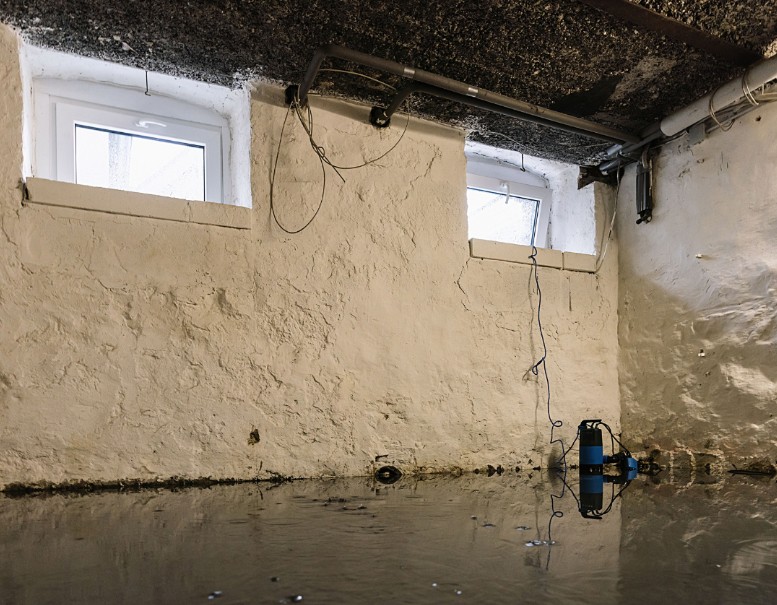
When water damage strikes, it can cause a lot of confusion and stress. The immediate impact can be overwhelming, leaving homeowners unsure of how to proceed. One of the most severe types of water damage you might encounter is Category 3 water damage. This form of damage not only affects the structural integrity of a property but also poses significant health risks.
Understanding what it is, how it occurs, and what steps to take can help mitigate damage to your property and safeguard your health. By becoming informed, you can better prepare for and respond to such incidents, reducing long-term effects and costs.
Category 3 water damage is often referred to as “black water” due to its highly contaminated nature. It is the most severe classification of water damage and requires immediate action. This type of water damage poses significant health risks, making immediate and professional intervention crucial.
Unlike Category 1 and Category 2 water damage, Category 3 involves water that is grossly unsanitary. This contamination often results from untreated sewage, harmful chemicals, and other dangerous pollutants. The complexity of dealing with such damage underscores the importance of understanding its causes and taking the necessary precautions.
Origins of Category 3 Water
The water involved in Category 3 damage usually originates from sources such as:
- Sewage Backflows: Wastewater from toilets, sinks, or appliances overflowing. These backflows can occur due to blockages in plumbing systems or municipal sewage issues, introducing a range of pathogens and chemicals into your home environment.
- Flooding from Rivers or Streams: Natural disasters can introduce contaminated water into your home. Floodwater can carry debris, pesticides, and industrial waste, posing additional risks beyond the immediate water damage.
- Wind-driven Rain: During hurricanes or severe storms, water can be mixed with contaminants and enter your property. This rainwater can pick up substances from roofs and the environment before entering your home, increasing contamination levels.
- Seawater: Saltwater that floods coastal properties carries various pollutants. The salt content can also exacerbate damage to building materials and electronics, complicating restoration efforts.
These sources contain harmful bacteria, viruses, and other pathogens that can lead to severe health problems. It’s crucial to identify the source quickly to determine the appropriate cleanup and remediation strategy.
Health Risks Associated with Category 3 Water
Exposure to Category 3 water can lead to various health issues. The contaminants present can cause a range of problems that may not be immediately apparent. The severity of these health risks underscores the importance of taking immediate action to address water damage.
- Respiratory Problems: Mold and bacteria from stagnant water can affect air quality. Prolonged exposure to these elements can lead to chronic respiratory conditions, such as asthma or allergic reactions, which can significantly impact quality of life.
- Gastrointestinal Issues: Direct contact with contaminated water can lead to stomach infections. Pathogens like E. coli and Salmonella are common in Category 3 water, and ingestion can result in severe digestive system issues requiring medical intervention.
- Skin Infections: Waterborne bacteria can cause rashes and skin infections. These infections can range from mild irritations to severe conditions requiring medical treatment, especially in individuals with weakened immune systems.
It is essential to avoid direct contact with Category 3 water and ensure those affected seek medical advice if exposure occurs. Protecting yourself and your family from these health risks requires prompt action and adherence to safety guidelines.
Steps for Emergency Water Restoration
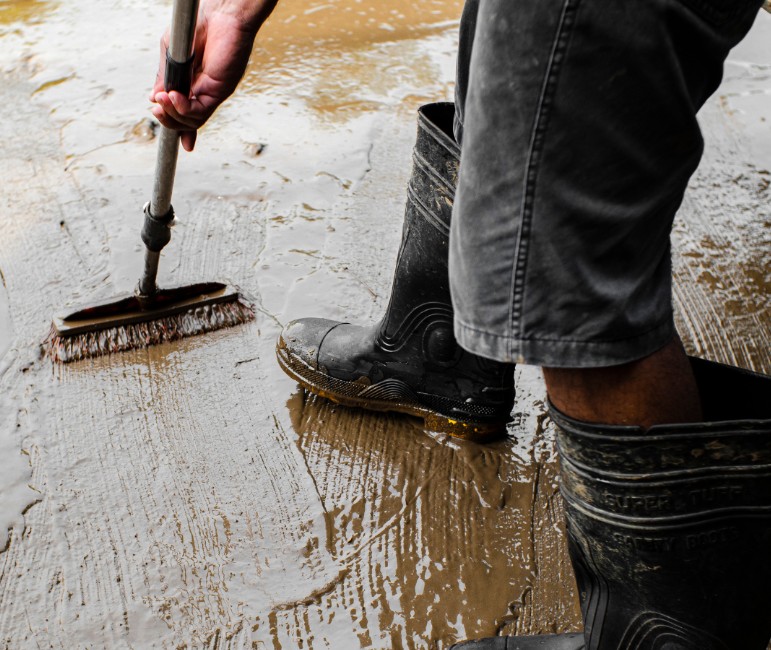
Responding quickly and effectively is critical in dealing with Category 3 water damage. Timely intervention can prevent the escalation of damage and health risks. Here are some steps to follow:
1. Evacuate the Area
The first step is to evacuate the affected area to prevent exposure to harmful contaminants. This involves safely removing all individuals and pets from the premises to reduce the risk of health complications. Ensure that everyone, including pets, is removed from the premises. It’s also important to keep the area secure to prevent unauthorized access until professionals can assess the situation.
2. Contact Professional Water Restoration Services
Due to the hazardous nature of Category 3 water, it’s vital to engage professional water restoration services. These experts are trained to handle the complexities of such scenarios efficiently. Experts in emergency water restoration have the skills, equipment, and protective gear necessary to safely handle and clean up the damage. They can also provide guidance on mitigating future risks and support you through the insurance claim process.
3. Assess the Damage
Once professionals are on site, they will assess the extent of the damage. This involves a thorough inspection to identify affected areas and determine the level of contamination. This assessment will guide the restoration process and help in filing insurance claims. Accurate assessment is crucial for planning the cleanup and ensuring that all damaged and contaminated materials are addressed.
4. Water Extraction and Cleanup
Professionals will use specialized pumps and vacuums to extract water from the property. The cleanup process will include several critical steps to ensure safety and restore the property effectively:
- Sanitization: Applying disinfectants to remove bacteria and pathogens. This step is essential to eliminate health risks and ensure that the environment is safe for occupancy.
- Dehumidification: Using industrial dehumidifiers to remove moisture and prevent mold growth. Removing excess moisture is crucial to prevent further damage and the growth of mold, which can exacerbate health issues.
- Odor Removal: Eliminating unpleasant smells associated with sewage and contaminated water. This step often involves using advanced filtration and air scrubbers to purify the indoor air.
5. Restoration and Repairs
After the cleanup, restoration professionals will begin repairing and restoring your property. This may involve a range of activities to return the home to its pre-damage condition:
- Replacing Drywall and Insulation: These materials often need to be replaced when contaminated. Their porous nature makes them susceptible to absorbing contaminants, necessitating their removal.
- Flooring Repairs: Carpets and hardwoods may need to be removed and replaced. Depending on the extent of the damage, some flooring materials may be salvaged, while others require complete replacement.
- Repainting Walls: After ensuring surfaces are dry and clean, walls may need repainting. This step not only restores aesthetics but also seals surfaces to prevent future issues.
Preventing Future Category 3 Water Damage

While not all water damage can be prevented, taking proactive measures can reduce the risk. Implementing preventive strategies can protect your home and health, offering peace of mind:
- Regular Maintenance: Ensure plumbing and sewage systems are inspected and maintained regularly. Routine checks can identify potential issues before they escalate into serious problems.
- Install Sump Pumps: These can help manage excess water during flooding. Sump pumps are particularly useful in basements and low-lying areas prone to water accumulation.
- Seal Cracks and Gaps: Properly sealing your home’s foundation and walls can prevent water entry. This involves using appropriate sealants and conducting regular inspections to ensure integrity.
- Install Backflow Valves: These can prevent sewage from backing up into your home. Backflow valves are a crucial addition for homes in areas prone to heavy rainfall or municipal sewage issues.
Conclusion
Category 3 water damage is a serious issue that requires immediate attention and professional support. Its complexity and health risks make fast, informed action essential. By understanding the source and dangers of this type of damage, you can respond quickly and protect both your property and your well-being.
For expert water damage cleanup and restoration, contact our team at Purofirst Fire & Water Restoration in Victorville, FL. We are ready to provide thorough, safe, and effective solutions to help you recover and prevent future incidents.
Recent Comments