
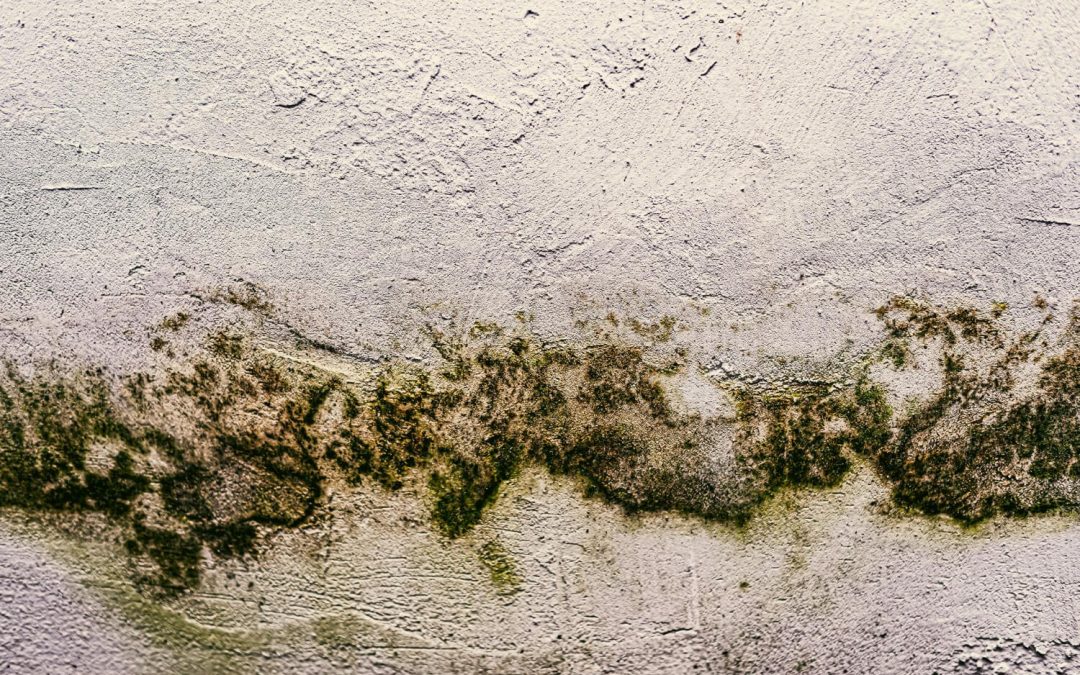
Water damage and mold growth often go hand in hand. Whether caused by a leaking pipe, flooding, storm damage, or an appliance failure, excess moisture creates the perfect environment for mold to develop. In many cases, mold can begin growing within just 24 to 48 hours after water enters a property.
While visible water damage may seem like the biggest concern, hidden moisture can create long-term problems if it is not properly addressed. Understanding the connection between water damage and mold growth can help homeowners take quick action and protect their property.
Purofirst Fire & Water Restoration provides professional water damage restoration and mold remediation services to help homeowners recover from moisture-related problems. Our team identifies the source of water damage, removes excess moisture, and helps prevent mold from spreading throughout your home.
Why Water Damage Creates the Perfect Environment for Mold
Mold needs three main things to grow: moisture, organic materials, and time. Unfortunately, homes provide many materials that mold can feed on, including drywall, wood, carpeting, insulation, and fabrics.
When water damage occurs, moisture can become trapped in areas that are difficult to see, such as:
- Behind walls
- Under flooring
- Inside ceilings
- Around plumbing systems
- In crawl spaces
- Inside insulation
Even if standing water is removed, leftover moisture can continue supporting mold growth. This is why professional drying and moisture detection are important parts of the restoration process.
How Quickly Can Mold Grow After Water Damage?
Many homeowners assume they have plenty of time to clean up after a water leak, but mold growth can happen quickly. Under the right conditions, mold spores can begin multiplying within one to two days after exposure to moisture.
Factors that can speed up mold growth include:
- High humidity levels
- Poor ventilation
- Warm temperatures
- Standing water
- Wet building materials
The longer water remains untreated, the higher the risk of extensive mold contamination and additional property damage.
Common Signs of Mold After Water Damage
Mold is not always immediately visible. It can grow behind walls, beneath flooring, or in other hidden areas where moisture remains trapped.
Some common signs of mold growth include:
- Musty or earthy odors
- Dark spots on walls or ceilings
- Water stains or discoloration
- Peeling paint or wallpaper
- Warped flooring
- Increased humidity indoors
- Previous water damage issues
If you notice these warning signs after a leak or flood, it is important to have your property inspected before the problem spreads.
The Importance of Fast Water Damage Restoration
The best way to prevent mold after water damage is to address the moisture problem as quickly as possible. Professional water damage restoration focuses on removing water, drying affected materials, and reducing conditions that allow mold to grow.
A professional restoration process typically includes:
Water Extraction
The first step is removing standing water from your property. Restoration professionals use powerful extraction equipment to quickly remove water and limit further damage.
Moisture Inspection
Water can travel beyond the area where it is first noticed. Advanced moisture detection tools help identify hidden water behind walls, under floors, and in other affected areas.
Drying and Dehumidification
After water removal, professional air movers and dehumidifiers are used to dry the structure completely. Proper drying helps prevent mold growth and protects building materials.
Cleaning and Sanitization
Water damage can introduce bacteria, contaminants, and odors into your home. Cleaning and sanitizing affected areas helps restore a safer environment.
Why DIY Water Damage Cleanup May Not Be Enough
Many homeowners attempt to clean up water damage themselves, especially after small leaks or minor flooding. While quick action is helpful, DIY cleanup may not address hidden moisture that leads to mold problems.
Common challenges with DIY water cleanup include:
- Incomplete drying
- Hidden moisture behind walls
- Improper equipment
- Missed areas of water damage
- Mold growth after cleanup
Professional restoration companies have specialized equipment and experience to identify moisture problems and properly dry affected areas.
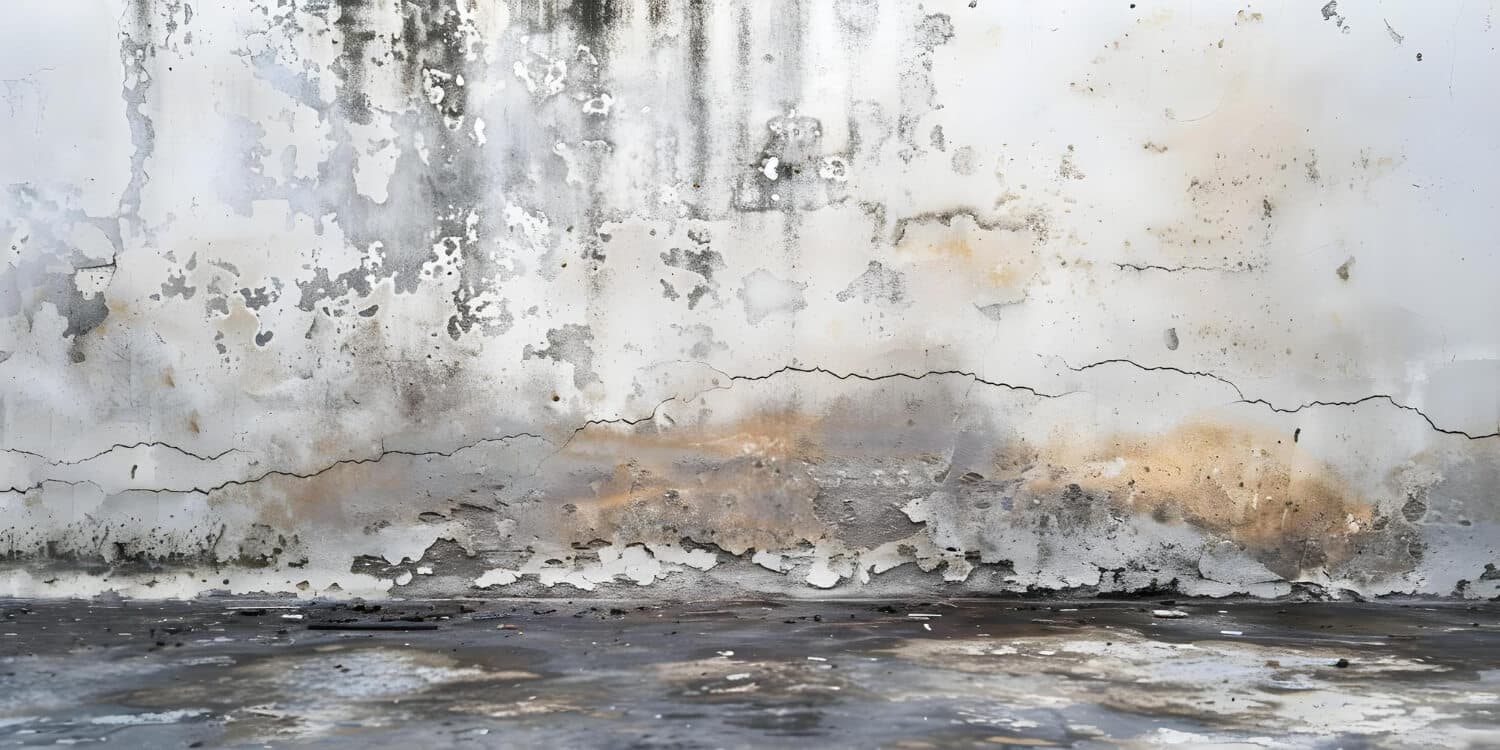
How to Prevent Mold After Water Damage
Taking immediate action after water damage can significantly reduce the risk of mold growth. Homeowners should:
- Stop the source of water if possible
- Remove standing water quickly
- Increase ventilation when safe
- Move wet items away from affected areas
- Monitor for signs of mold
- Contact a professional restoration company
The faster moisture is controlled, the easier it is to prevent extensive damage.
Professional Mold Remediation After Water Damage
If mold has already started growing, removing it requires more than simply cleaning visible areas. Professional mold remediation involves identifying the source of moisture, containing affected areas, removing contaminated materials, and preventing future growth.
Purofirst Fire & Water Restoration provides comprehensive mold removal and remediation services to help restore homes affected by water damage. Our team uses professional equipment and proven methods to safely remove mold and address the underlying moisture problem.
Contact Purofirst Fire & Water Restoration Today
Water damage can quickly turn into a mold problem if it is not handled properly. Fast response and professional restoration are key to protecting your home and preventing additional damage.
Purofirst Fire & Water Restoration helps homeowners recover from water damage and mold issues with reliable restoration solutions. If your property has experienced a leak, flood, or moisture problem, contact our team for expert water damage restoration and mold remediation services.
Recent Comments